
Stone Crusher Plant
How Integrated Design Reduces Safety Risks During the Construction and Transfer of Stone Crusher Plants
In the fast-paced world of mining and infrastructure development, stone crusher plants are frequently relocated, upgraded, or expanded to match changing project demands. These transitions—whether during initial setup or when transferring the plant to a new site—introduce serious safety risks for operators, technicians, and logistics personnel. Fortunately, integrated design is emerging as a powerful solution to minimize these risks. By incorporating mechanical, electrical, and structural systems into a unified framework, integrated design enhances safety at every stage of the plant's lifecycle. This article explores how integrated design contributes to safer construction and transfer of crushing plants, including stone crusher units, debris crushers, and concrete crushers.
What Is Integrated Design in Crushing Plants?
Integrated design refers to the holistic engineering of a system where various components—such as crushers, conveyors, feeders, and control panels—are built to work together seamlessly. In a stone crusher plant(planta de trituracion de piedra), this means standardized modular components, shared structural supports, coordinated power layouts, and central control systems are all planned together from the outset.
Unlike traditional setups that rely on assembling parts from different manufacturers on-site, an integrated design ensures compatibility, simplifies installation, and reduces on-site modifications. For operations involving a debris crusher or concrete crusher, this level of integration directly reduces the number of manual interventions and error-prone adjustments.
Safety Benefits During Initial Construction
Simplified Assembly and Fewer On-Site Adjustments
One of the main causes of accidents during stone crusher plant construction is the need for manual assembly and on-the-fly adjustments. With integrated design, equipment is delivered in modular form, often pre-wired and pre-tested. This significantly reduces the time technicians spend working at height, inside confined spaces, or around heavy equipment under construction.
Fewer manual alignments also mean less use of temporary tools like cranes, jacks, or welding gear, each of which introduces specific safety risks. For debris crusher(trituradora de escombros precio) installations in urban or restricted areas, modular units can be deployed faster with less disruption to surrounding environments.
Optimized Structural Supports and Foundations
Integrated design takes into account load balancing and dynamic forces across the entire plant. Proper alignment between crushers, conveyors, and hoppers minimizes vibration and mechanical stress. This reduces the risk of structural failure, especially when deploying high-force machines like a concrete crusher.
Prefabricated steel frames and foundation plans developed in the design stage eliminate guesswork during construction, ensuring each part is securely mounted and stable from the start.
Safety Improvements During Transfer and Relocation
Reduced Equipment Handling
When a stone crusher plant is designed with relocation in mind, the number of lifting operations and reassembly steps is significantly reduced. For example, crushers and screens may be mounted on a single transportable chassis with foldable walkways, reducing crane usage and manual bolting at the new site.
In mobile or semi-mobile setups, integrated design ensures that components like motors, gearboxes, and dust control systems are housed in shock-proof modules. This reduces the risk of damage or misalignment during transportation, which can otherwise lead to failures upon reinstallation.
Standardized Cable and Hose Routing
Transferring a traditional stone crushing plant often involves rewiring electrical panels, re-routing hydraulic hoses, and reconnecting sensors manually—each of which poses fire, electrocution, or mechanical hazard risks. Integrated design consolidates all connections into protected channels and junctions, often color-coded or labeled for fast, error-free reassembly.
This is especially useful for complex machines like a concrete crusher(trituradora de hormigón) with multiple control inputs and safety interlocks, as it eliminates trial-and-error during setup.
Enhanced Operator Safety and Maintenance Access
Centralized Control and Emergency Shutdown Systems
Integrated plants typically include a centralized control unit with emergency shutdown switches that cover the entire operation. In the event of an incident—such as a blockage in the debris crusher or overheating in the motor system—operators can respond immediately without running across the site.
Some systems also include remote diagnostics, allowing technicians to troubleshoot issues without opening panels or entering restricted areas, further improving safety during both routine checks and emergencies.
Safer Maintenance and Inspection Procedures
Integrated platforms provide standardized access points, handrails, lighting, and walkways around major components. Regular maintenance tasks such as jaw liner changes, oil checks, or belt alignments can be carried out without temporary scaffolding or ladders.
This is a major improvement for mobile stone crusher units, which previously required makeshift arrangements for accessing elevated or enclosed parts of the machinery. Safer access directly reduces falls, slips, and crush injuries.
Reducing Environmental and Site Hazards
Dust and Noise Control Integration
Dust suppression and noise insulation systems are often treated as afterthoughts in traditional plant layouts. Integrated design, however, includes these safety elements from the beginning. Water spray systems, enclosures, and acoustic barriers are positioned optimally, reducing airborne particles and harmful noise exposure.
This is particularly critical when operating in environmentally sensitive areas or near urban developments, where regulatory compliance is essential.
Efficient Footprint and Traffic Flow Planning
Finally, integrated design considers the overall layout of the stone crusher plant in relation to site logistics. Clear pathways for trucks, loaders, and maintenance staff help reduce the risk of vehicle collisions or pedestrian injuries. When debris crushers and concrete crushers are included in the same system, optimized traffic flow ensures materials and personnel do not cross paths unnecessarily.
Conclusion
Integrated design is transforming the way stone crusher plants are built, moved, and maintained—particularly in high-risk sectors like mining and infrastructure construction. By streamlining equipment compatibility, minimizing manual adjustments, and embedding safety into every layer of the system, integrated design reduces accidents and increases operational efficiency. Whether using a compact debris crusher for urban demolition or a full-scale aggregate stone crusher plant for a large quarry, adopting an integrated approach is one of the most effective ways to ensure a safer and more productive job site.
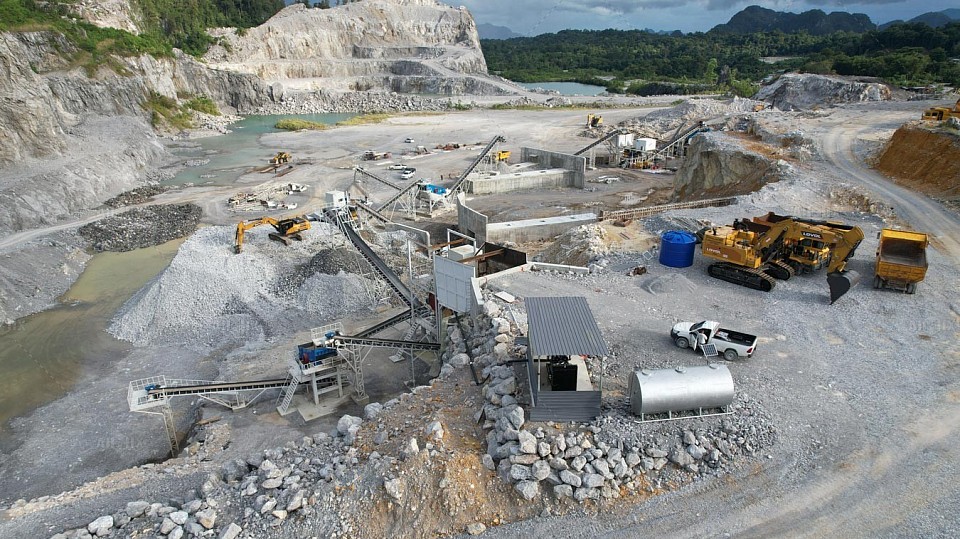
The Working Principle of Each Stage of Equipment in a Stone Crusher Plant
A stone crusher plant is an essential part of the mining and aggregate industry, designed to process large volumes of raw materials into smaller, usable products like gravel, sand, and crushed stones. The equipment used in these plants operates in various stages to ensure that the final product meets the required specifications. In this article, we will explore the working principles of the equipment used in each stage of a stone crusher plant, highlighting the role of each component in transforming raw materials into valuable construction aggregates.
1. Primary Crushing: The Jaw Crusher
The first stage of the stone crushing process(planta de trituracion de piedra) is primary crushing. At this stage, large rocks or materials are reduced to a manageable size for further processing. The jaw crusher is typically used for primary crushing in stone crusher plants due to its ability to handle large, tough materials efficiently.
a. How the Jaw Crusher Works
A jaw crusher operates on the principle of compression. It consists of two jaws—one fixed and one movable. The material is fed into the crusher, and as the movable jaw closes, it compresses the material against the fixed jaw. This force breaks down the material into smaller pieces, which are then discharged from the bottom of the crusher. Jaw crushers are ideal for processing materials like granite, limestone, and other hard stones. The output from this stage is typically larger, more jagged material that requires further processing.
2. Secondary Crushing: The Cone Crusher
Once the material has been crushed in the primary stage, it moves on to secondary crushing. This stage further reduces the material to a more refined size and is often done using a cone crusher. The cone crusher is effective at producing smaller, more uniform aggregates, making it essential for producing materials suitable for concrete production and other construction applications.
a. How the Cone Crusher Works
The cone crusher operates using a rotating mantle and a stationary concave. As the material enters the crusher, the mantle rotates, compressing and crushing the material against the concave. This reduces the size of the material and ensures a more uniform output. Pebble crushers(trituradora de piedra de rio), which are a type of cone crusher, are often used in mining operations where materials like pebbles and small stones need to be crushed further into finer sizes.
b. Benefits of Secondary Crushing
Secondary crushing with a cone crusher results in finer material and reduces the need for additional stages of processing. This is particularly important when producing aggregates for specific uses, such as concrete crusher applications, where consistency in size and shape is crucial.
3. Tertiary Crushing: The Impact Crusher
After the secondary crushing stage, the material may still need to be further refined. Tertiary crushers, typically impact crushers, are used to produce smaller, more uniform particles that are suitable for specialized applications, including asphalt production or fine aggregates.
a. How the Impact Crusher Works
The impact crusher operates by using high-speed rotors with blow bars that strike the material, causing it to break into smaller particles. This method is ideal for producing fine aggregates and is highly effective for softer materials. Impact crushers are versatile and can handle a wide range of materials, from soft rocks like limestone to harder stones, making them an essential part of the crushing process in stone crusher plants.
b. Benefits of Tertiary Crushing
Tertiary crushing further improves the quality of the aggregates produced by reducing the size of particles and creating a more uniform texture. This stage is especially important when producing materials like sand or fine gravel, which are commonly used in concrete crusher(trituradora de concreto) applications and other industries requiring precise particle sizes.
4. Screening and Washing
Once the material has been crushed to the desired size, it is passed through screening equipment to separate the different sizes of aggregates. Screening is essential to ensure that the final product meets the specifications for various construction applications.
a. How Screening Works
In a stone crusher plant, screens are used to sort the crushed material by size. Vibrating screens are commonly employed, with multiple layers that allow different-sized particles to pass through. The larger material remains on the top screen, while the smaller material falls through to the next layer. The material is then categorized into various size fractions for use in different construction processes.
b. The Role of Washing
In some cases, washing equipment is used to clean the aggregates. This is particularly important for materials like sand and gravel, which may have clay or dirt mixed in. Washing removes impurities, ensuring that the final product meets the quality standards required for high-end applications, such as concrete production.
Conclusion
The working principle of each stage of equipment in a stone crusher plant plays a critical role in ensuring that the final product meets the required specifications for construction and aggregate industries. From the primary jaw crusher to secondary cone crushers, and tertiary impact crushers, each piece of equipment works together to break down and refine raw materials into usable aggregates. Screening and washing further enhance the final product, making it suitable for various construction applications.
By understanding the workings of each stage, operators can make more informed decisions when selecting the equipment for their stone crusher plant, ensuring that the production process is efficient and cost-effective. Whether you are processing hard stones like granite or softer materials for concrete crusher applications, selecting the right crushers and auxiliary equipment is key to the success of your plant operations.
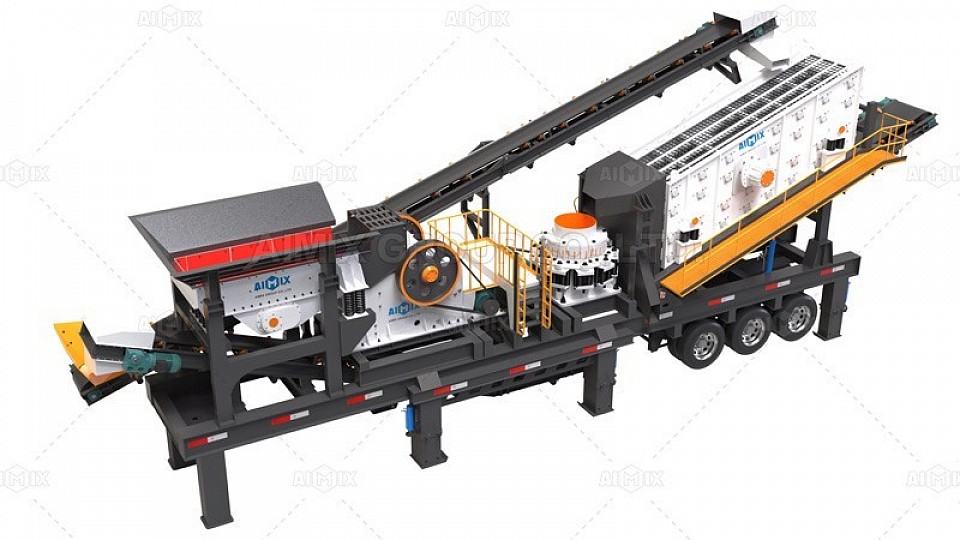
Does the Installation Site Space Affect the Selection of Stone Crushing Plant Equipment?
When planning to invest in a stone crusher plant, one of the most overlooked yet critical factors is the available space at the installation site. Whether you're working in a wide open quarry or a confined urban project, space limitations can significantly impact equipment choices, layout design, and even production efficiency. In the mining and aggregate industry, optimizing equipment selection based on the site footprint is not just about convenience—it’s about cost, productivity, and long-term success.
Why Installation Space Matters in Crushing Plant Design
A well-planned installation site can boost efficiency, reduce material handling costs, and ensure safety. On the other hand, poor space planning can lead to operational issues, increased downtime, and unnecessary equipment changes.
In reality, not every project offers a spacious location. Many aggregate producers work in mountainous regions, narrow valleys, or construction zones where space is at a premium. In such cases, compact and efficient solutions become essential.
Key Considerations When Space Is Limited
1. Equipment Footprint and Portability
In restricted spaces, compact equipment is often the go-to solution. Mobile or modular stone crusher plants(planta trituradora) are designed for quick setup and easy relocation, making them ideal for space-constrained environments. These systems reduce the need for massive concrete foundations and lengthy installation timelines.
Some mobile crushers, including concrete crushers, combine several stages of crushing and screening in a single unit, minimizing the required footprint while maintaining output capacity.
2. Plant Layout Optimization
Proper equipment layout is crucial to making the most of limited space. This includes strategic positioning of crushers, feeders, conveyors, and stockpiles. Efficient layout minimizes material travel distance, prevents congestion, and allows easy access for maintenance. For instance, an aggregate plant(planta de áridos) situated in a narrow site may use vertical stacking of conveyors or compact screening units to conserve space without sacrificing performance.
3. Equipment Type and Function Integration
In confined sites, selecting multi-functional equipment can significantly improve space efficiency. Combination units that integrate jaw crushers, cone crushers, and vibrating screens reduce the need for multiple standalone machines.
A modern concrete crusher(trituradora de concreto) might include onboard screening systems, dust suppression, and material conveyors, streamlining the operation and minimizing ground area requirements.
4. Power and Infrastructure Planning
Limited space can also affect the placement of electrical systems, water sources, and fuel storage. It’s important to consider how these utilities will be routed around the equipment without causing obstructions or creating safety hazards.
When selecting equipment for a tight site, opting for systems with reduced infrastructure dependency—such as mobile units with built-in generators—can be a smart move.
5. Compliance and Safety
Space constraints should never compromise safety. Crushing equipment must be accessible for inspection, cleaning, and repair. Adequate spacing is also required to meet industry safety standards regarding operator walkways, emergency exits, and dust control zones.
A compact stone crusher plant that’s specifically engineered with safety in mind can offer both space efficiency and regulatory compliance.
Benefits of Matching Equipment to Site Space
Choosing crushing equipment based on available space brings several operational and financial advantages:
- Reduced installation costs: Smaller equipment requires less site preparation and civil work.
- Faster commissioning: Mobile or modular units can be set up and made operational quickly.
- Improved flexibility: When the plant needs to be relocated or upgraded, space-efficient systems simplify the process.
- Higher productivity in constrained zones: Optimized layouts lead to smoother material flow and fewer bottlenecks.
Conclusion
The installation site space plays a decisive role in determining the ideal configuration of a stone crusher plant. From footprint limitations to layout challenges and infrastructure planning, understanding the constraints of your project site is essential for making smart equipment decisions.
For operations in tight areas, compact and integrated crushing solutions—such as mobile or modular aggregate plant systems—offer the flexibility and performance needed to meet production targets. Whether you're processing hard rock or recycled material with a concrete crusher, the key is to match your crushing plant design to the unique demands of your site.
Always consider space as a core factor—not an afterthought—when planning a crushing operation. Doing so will help you avoid delays, reduce costs, and maintain safe, efficient production in any environment.
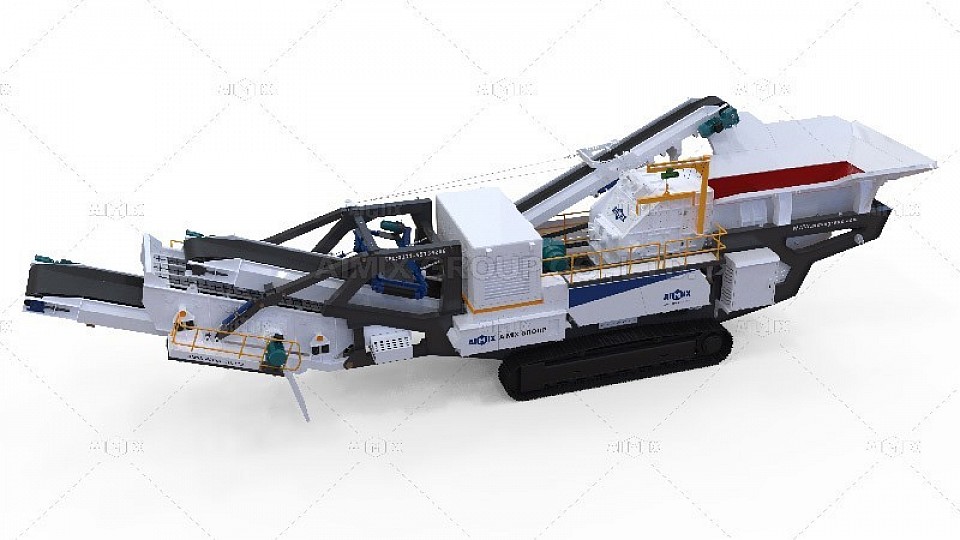
How to Choose Screening Equipment in Stone Crusher Plant?
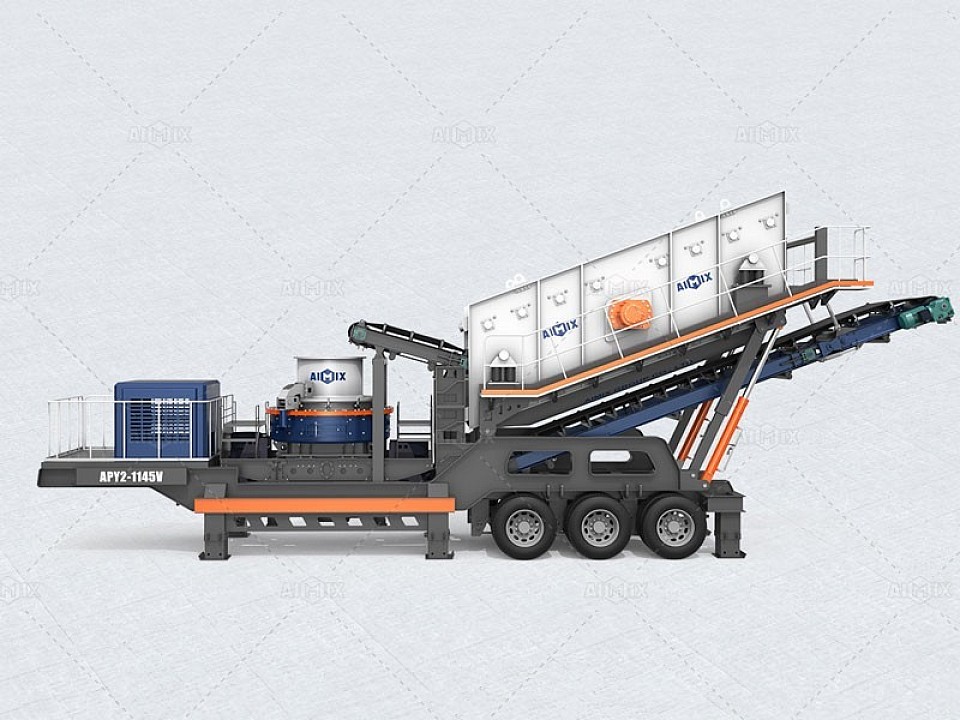
Selecting the right screening equipment is essential for ensuring the efficiency and productivity of a stone crusher plant. Proper screening helps separate materials of different sizes, improving the final product quality while reducing waste. The right choice depends on material characteristics, processing capacity, and application requirements. This article explores key factors to consider when choosing screening equipment in an aggregate crusher plant.
Understanding the Role of Screening in a Stone Crusher Plant
Screening is a crucial step in aggregate production. It separates crushed materials into different sizes before further processing or final use. A well-optimized screening system enhances productivity by ensuring that oversized materials are sent back for re-crushing while the required sizes move forward. Whether used with a cone crusher for secondary crushing or as a final step in material refinement, effective screening improves overall stone crusher plant(como funciona una planta trituradora de piedra) efficiency.
Factors to Consider When Choosing Screening Equipment
1. Type of Material and Particle Size
The type of material being processed determines the required screening efficiency. Hard rocks, such as granite and basalt, require robust screens with durable mesh to withstand high impact. Softer materials, like limestone, may work well with standard screens. Additionally, knowing the expected particle size distribution helps select screens with the right mesh openings to achieve the desired separation.
2. Screening Capacity Requirements
Each stone crusher plant has different production targets. The screening equipment must handle the plant’s capacity without causing bottlenecks. High-capacity operations require multi-deck vibrating screens, while smaller applications may use single-deck screens. Matching screening capacity with crusher output ensures smooth workflow and prevents unnecessary downtime.
3. Screening Technology Options
Several types of screening equipment are commonly used in an aggregate crusher plant(planta trituradora de agregados), each with distinct advantages:
- Vibrating Screens: The most widely used for aggregates, offering high efficiency and precise separation.
- Trommel Screens: Suitable for screening fine and wet materials, though not as common in stone crushing.
- Inclined Screens: Provide a larger screening area and efficient stratification for high-volume production.
- Horizontal Screens: Ensure better control over the screening process, often used with fine materials.
Choosing the right type depends on the plant layout, material type, and required throughput.
Integration with Crushing Equipment
1. Compatibility with Cone Crusher and Other Crushers
When working with a cone crusher(chancadora de cono), selecting a screen that effectively handles the secondary or tertiary crushed material is essential. Cone crushers produce finer aggregates, requiring screens with smaller mesh sizes to ensure proper classification. Similarly, for plants with jaw crushers as primary crushers, larger screens may be necessary to sort coarser materials before secondary crushing.
2. Adjustability and Scalability
A well-chosen screening system allows for adjustments based on project demands. Modular screens with replaceable mesh panels provide flexibility for handling different materials and adapting to production changes without significant downtime.
Maintenance and Durability Considerations
1. Wear Resistance and Lifespan
Since screening equipment operates under continuous vibration and load, durability is a key factor. Opt for screens made from high-quality steel or polyurethane materials to withstand wear and reduce replacement frequency. Ensuring proper lubrication and tensioning of screen components extends lifespan and minimizes downtime.
2. Easy Maintenance and Accessibility
Screening equipment should allow for easy access to replace worn-out parts like screen mesh and vibration motors. Choosing designs with quick-change features improves maintenance efficiency and reduces plant downtime, keeping production running smoothly.
Conclusion
Selecting the right screening equipment is vital for optimizing the performance of a stone crusher plant. By considering factors like material type, capacity, screening technology, and compatibility with crushers such as a cone crusher, operators can enhance efficiency and ensure high-quality aggregate production. A well-integrated screening system in an aggregate crusher plant not only boosts productivity but also reduces operational costs, making it a critical investment for long-term success.
Common Problems and Solutions in Crushing Plant Operation
Operating a stone crushing plant requires careful planning, execution, and ongoing maintenance to ensure optimal efficiency. While crushers are essential for reducing materials to the desired size, the plant faces various challenges that can affect its performance and productivity. Addressing these challenges promptly is crucial for maintaining smooth operations and minimizing downtime.
In this article, we explore the common problems that occur in stone crushing plants and the solutions that can help ensure seamless operations. Whether dealing with equipment malfunctions, material flow issues, or maintenance problems, understanding how to tackle these obstacles is key to a successful crushing operation.
1. Blockages and Jamming of Crushers
Problem:
One of the most common issues in a stone crushing plant(planta de trituracion de piedra) is blockages or jamming of crushers. This happens when oversized material or foreign objects enter the crushing chamber, causing a sudden halt in the processing. Blockages often result from inconsistent material feeding or poor material separation.
Solution:
To prevent jamming, operators can implement the following measures:
- Use of grizzly feeders: Grizzly feeders can help separate larger materials before they reach the crusher, ensuring that only the appropriately sized material enters the crushing chamber.
- Regular maintenance: Conduct routine checks and cleaning to ensure the crushers are free from foreign objects or accumulated debris.
- Proper feeding techniques: Ensuring a consistent and controlled feed rate helps prevent material overload and blockages.
Proper maintenance of crushers and feed systems significantly reduces the risk of blockages and jamming.
2. Wear and Tear of Crusher Components
Problem:
Crushing equipment, particularly the gravel crusher(trituradora grava), experiences significant wear and tear over time. The crushing chamber, hoppers, and liners can degrade, resulting in inefficient material processing, poor output quality, and frequent repairs. This can be particularly problematic in high-production environments where heavy machinery operates for long periods.
Solution:
To mitigate wear and tear, consider these strategies:
- Use high-quality materials for wear-resistant parts: Components such as liners, jaws, and hoppers should be made of durable materials like manganese steel or alloyed steel to withstand impact and abrasion.
- Regular inspection and part replacement: Schedule routine inspections and replace worn parts before they cause severe damage to other equipment.
- Adjust crusher settings: Regularly adjust the crusher’s settings to match the characteristics of the material being processed, reducing unnecessary strain on the components.
Proper maintenance and material selection play a crucial role in extending the lifespan of crushers and minimizing downtime.
3. Inconsistent Material Feed
Problem:
An inconsistent material feed can disrupt the smooth operation of a stone crushing plant. If the material is either too dry, too wet, or not uniform in size, it can cause uneven wear on equipment, lower production rates, and even result in poor-quality aggregates.
Solution:
Addressing material feed issues requires a combination of proper techniques and equipment:
- Use of feeders with adjustable flow rates: Vibrating or apron feeders that allow for precise control over the material feed rate can help ensure consistent flow.
- Material conditioning: If the material is too wet or sticky, it can be dried or pre-screened before being fed into the crusher to reduce clogging.
- Proper material separation: Using screening or sorting equipment before the crushing stage helps ensure that the material is of uniform size, reducing strain on the crusher.
By ensuring a uniform and controlled material feed, crushing efficiency and product quality can be greatly improved.
4. Vibration and Noise Issues
Problem:
Excessive vibration and noise can be common issues in a stone crushing plant. These vibrations can damage equipment, especially crushers, and also create a hazardous work environment for operators. The noise generated by crushers and other heavy equipment can exceed safe levels, causing hearing damage and contributing to fatigue.
Solution:
To reduce vibration and noise, consider the following measures:
- Installation of vibration dampeners: Rubber pads or springs can be used beneath crushers and other heavy machinery to absorb vibrations.
- Proper foundation setup: A stable foundation, free from cracks or loose materials, can help reduce excessive vibrations during operation.
- Noise barriers and enclosures: Installing sound barriers around high-noise equipment or enclosing crushers can significantly reduce the environmental impact of noise pollution.
Regularly checking for excess vibration and noise levels helps ensure that the plant operates in a safer and more comfortable environment.
5. Overloading and Equipment Failure
Problem:
Overloading occurs when the crushing plant processes more material than it can handle, leading to potential damage to crushers, conveyors, and other components. Overloading may occur due to insufficient operator awareness, improper feeding techniques, or equipment malfunction.
Solution:
To prevent overloading, plant operators should:
- Install load monitoring systems: These systems can detect when the crusher is approaching its maximum capacity and alert operators to reduce the material flow.
- Use overload protection systems: Many modern crushers come equipped with automatic overload protection to prevent damage caused by excessive loads.
- Train operators: Ensure that operators are trained to recognize signs of overloading and to adjust material feed rates accordingly.
By preventing overloading, crushing operations can remain efficient and minimize equipment failure.
6. Power and Electrical Issues
Problem:
Power and electrical issues are another common problem in stone crushing plants. Fluctuating voltage, inadequate power supply, or faulty wiring can cause machinery to malfunction, resulting in costly downtime.
Solution:
To address power-related issues:
- Invest in high-quality electrical components: Use robust wiring, transformers, and circuit breakers designed to handle the heavy demands of the crushing plant.
- Regular electrical system inspections: Conduct regular maintenance to ensure that the power supply system is functioning properly and prevent unexpected failures.
- Install power backup systems: Consider investing in backup generators or power inverters to maintain operations during power outages.
Ensuring the reliability of electrical systems is essential to preventing interruptions and ensuring smooth plant operation.
Conclusion
The successful operation of a stone crushing plant depends on timely identification and resolution of common problems that arise. Whether it’s addressing wear and tear, material feed issues, vibration, or power problems, plant operators must be proactive in maintaining equipment and ensuring smooth processes. By implementing preventive maintenance practices, improving material flow, and using advanced technologies, the crushing plant can achieve higher efficiency, reduce downtime, and enhance overall productivity.
With the right strategies and regular monitoring, these common issues can be minimized, ensuring that the gravel crusher and other equipment continue to perform at their best.
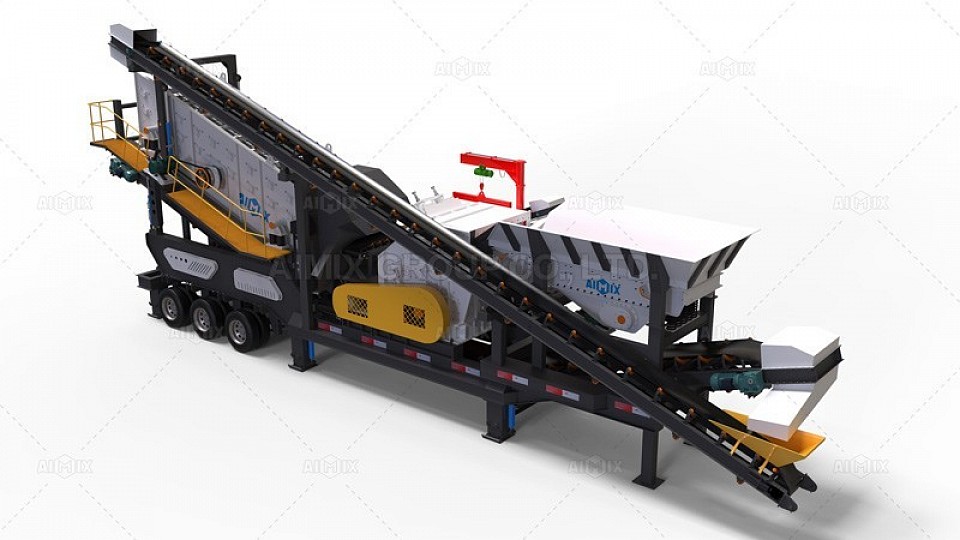
Mobile Crushers Facilitate On-Site Aggregate Production
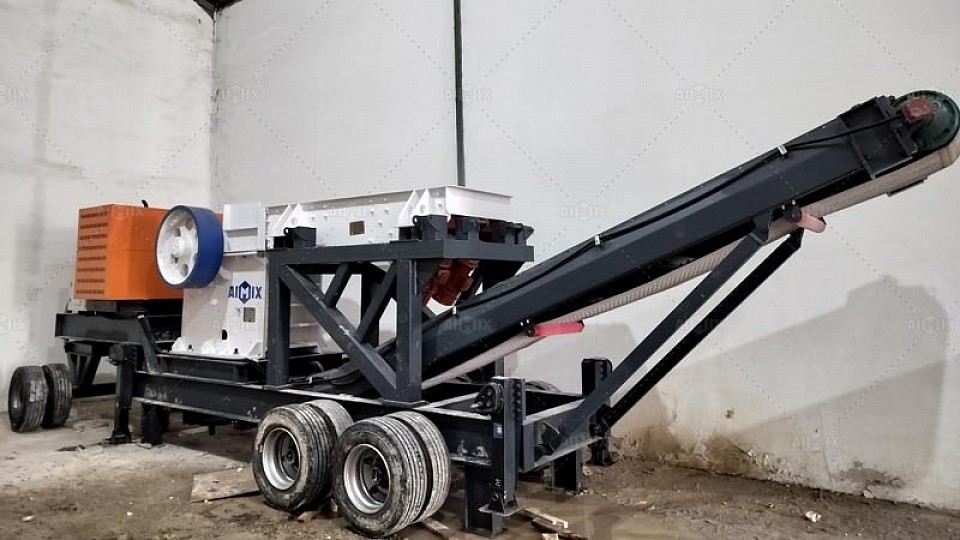
The growing demand for aggregates in construction and infrastructure projects has led to a significant shift in how materials are processed. Traditionally, aggregate production required transporting raw materials to a fixed crushing plant. However, advancements in technology have made mobile crushers a popular solution for on-site aggregate production. These machines provide a versatile, cost-effective, and efficient method for processing materials directly at construction sites or mining operations. In this article, we will explore how mobile stone crushers facilitate on-site aggregate production and the benefits they offer.
The Rise of Mobile Crushers in the Aggregate Industry
In recent years, mobile crushers(trituradora de piedra movil have become an essential part of the aggregate industry. With the ability to crush materials on-site, these machines eliminate the need for transporting raw materials to fixed plants. Mobile crushers are typically mounted on wheels or tracks, allowing them to easily move around construction sites, quarries, and even remote locations.
1. On-Site Aggregate Processing
One of the key benefits of mobile stone crushers is their ability to process aggregates directly at the source. Rather than hauling raw materials to a centralized processing plant, construction companies can use mobile crushers to convert materials into usable aggregates on-site. This process significantly reduces transportation costs and minimizes the environmental impact associated with long-haul trucking.
2. Efficient Material Handling
Mobile crushers are designed to handle a wide range of materials, including rock, stone, concrete, and asphalt. These crushers can process materials of varying sizes, making them ideal for producing different types of aggregates. The efficiency of mobile crushers enables continuous production, which enhances productivity and reduces downtime.
3. Adaptability to Various Construction Needs
Whether working on a road construction project, demolition site, or mining operation, mobile crushers offer the flexibility to process materials according to project specifications. The equipment can be used to produce various types of aggregate sizes, such as crushed stone, sand, and gravel, ensuring that the right materials are available for different stages of construction.
Key Components of a Mobile Aggregate Crushing Plant
A mobile aggregate crushing plant(planta trituradora de agregados) is typically comprised of several key components that work together to provide efficient and high-quality aggregate production. These components include:
1. Crusher Unit
The core of a mobile stone crusher is the crushing unit, which may be equipped with different types of crushers, including jaw crushers, impact crushers, or cone crushers. The choice of crusher depends on the type of material being processed and the desired final output size.
2. Feeding System
Mobile crushers are equipped with feeding systems, such as vibrating feeders or hoppers, to move raw materials into the crushing chamber. This system ensures a consistent flow of material, preventing blockages and enhancing the overall crushing efficiency.
3. Screening Equipment
To produce different grades of aggregate, mobile crushers often include screening equipment. These screens separate materials based on size, ensuring that only the desired particle size is processed further. Screens can be adjusted to create multiple aggregate sizes for various applications.
4. Conveying System
After the material is crushed and screened, it is transported to stockpiles or directly to the desired location using conveyor belts. The conveying system in a mobile aggregate crushing plant is essential for efficient material handling, reducing the need for manual labor and minimizing material loss.
5. Power System
Mobile crushers are equipped with a power system that drives all the components, including the crusher, feeder, screen, and conveyor. Some mobile crushers are diesel-powered, while others may use electric power, depending on the site’s energy availability.
Benefits of Using Mobile Crushers for Aggregate Production
1. Cost Savings
One of the most significant advantages of using mobile stone crushers for aggregate production is the reduction in operational costs. By eliminating the need for transporting raw materials to fixed crushing plants, companies can save on fuel, labor, and equipment maintenance costs. Additionally, mobile crushers reduce the need for large stockpiles of raw material, helping to optimize space on construction sites.
2. Increased Productivity
The flexibility and mobility of mobile aggregate crushing plants allow them to operate efficiently and continuously. With minimal downtime between loading and processing, these crushers can produce large quantities of high-quality aggregates in a short period. This increases the overall productivity of construction and mining projects, ensuring timely project completion.
3. Reduced Environmental Impact
By reducing the need for transportation and processing at fixed plants, mobile crushers significantly lower the carbon footprint associated with aggregate production. Less trucking means fewer emissions, and on-site processing eliminates the environmental impact of transporting materials over long distances.
4. Improved Safety
Mobile crushers are designed with safety features to protect operators and workers on the site. The compact design and ease of operation reduce the risk of accidents compared to traditional stationary plants. Operators can monitor the crushing process from a distance, ensuring safety and minimizing exposure to hazardous conditions.
5. Flexibility and Scalability
Mobile stone crushers can be easily transported and set up at different locations, making them ideal for projects that require flexibility. Whether for a temporary construction site or a long-term mining operation, these machines can be quickly adapted to meet the specific needs of any project. Moreover, mobile crushers can be scaled to handle larger operations as required, providing the versatility needed to keep up with growing demands.
Conclusion
Mobile crushers play a crucial role in facilitating on-site aggregate production. They offer significant advantages, including cost savings, increased productivity, and reduced environmental impact. By integrating advanced technology and versatile design, mobile aggregate crushing plants allow construction companies to produce high-quality aggregates directly at the source. Whether working on a construction site, demolition project, or quarry, mobile crushers offer a flexible, efficient, and sustainable solution to aggregate production. As the demand for aggregates continues to rise, mobile crushers are sure to remain a vital component of the construction and mining industries.
What Equipment is Used for Construction Waste Recycling?
Construction waste recycling has become an essential part of the modern construction industry. As the need for sustainable development grows, the recycling of materials from demolished buildings and structures has gained significant importance. Recycling construction waste not only reduces environmental impact but also saves resources, contributing to more efficient and cost-effective projects. In this blog post, we will explore the key equipment used in the recycling of construction debris and how it is transforming the industry.
The Importance of Construction Waste Recycling
The construction industry generates a vast amount of waste, including concrete, bricks, metal, wood, and other debris. Traditional disposal methods, such as landfilling, not only waste valuable resources but also create environmental challenges, such as soil contamination and air pollution. By recycling construction waste, valuable materials can be reused, and the carbon footprint of new construction projects can be reduced.
Benefits of Recycling Construction Waste
- Resource Conservation: Recycling allows the reuse of materials like concrete, asphalt, and metal, reducing the need for raw materials.
- Cost Savings: Recycled materials are often cheaper than new materials, reducing project costs.
- Environmental Protection: Reducing waste sent to landfills helps minimize pollution and promotes sustainable construction practices.
Key Equipment for Construction Waste Recycling
To effectively recycle construction waste, specialized equipment is needed to break down, sort, and process materials. These machines are designed to handle the tough nature of construction debris, turning it into reusable aggregates and other materials. Below are the main types of equipment used for recycling construction waste.
1. Mobile Stone Crusher Plant
A mobile stone crusher plant(planta de trituracion movil) is one of the most commonly used pieces of equipment in construction waste recycling. These plants are designed for on-site crushing of materials like concrete, asphalt, bricks, and other debris. The mobile design allows them to be moved easily from one site to another, making them ideal for demolition and construction sites where waste needs to be processed immediately.
How It Works:
- Crushing: The mobile stone crusher plant crushes large chunks of construction waste into smaller, more manageable pieces. The material is then sorted for further processing.
- Screening: After crushing, the materials pass through a screening system that separates fine aggregates, such as sand, from larger debris. This ensures that the recycled material meets the necessary specifications for reuse.
The versatility and portability of mobile stone crusher plants make them indispensable for recycling large volumes of construction waste.
2. Debris Crusher
A debris crusher is a powerful machine used specifically for breaking down construction debris, such as concrete, asphalt, and brick, into smaller, reusable pieces. These crushers can handle materials of varying sizes and are equipped with powerful motors that can break through tough construction waste.
Features of Debris Crushers:
- High Crushing Power: Debris crushers are designed to handle the toughest materials, including reinforced concrete and metal.
- Adjustable Settings: Many debris crushers have adjustable settings to control the size of the output material, making them highly customizable for different recycling needs.
- Durability: Built to withstand harsh conditions, debris crushers(trituradora de escombros) are highly durable, requiring less maintenance compared to other types of equipment.
Debris crushers are a key piece of machinery for recycling concrete and other construction debris, enabling contractors to produce high-quality recycled aggregates.
3. Screening Equipment
After crushing and shredding, the next step in the recycling process is sorting the materials by size. Screening equipment plays a crucial role in this stage. Screens are used to separate different sizes of debris, ensuring that only usable materials are sent to the next processing stages.
Types of Screening Equipment:
- Vibrating Screens: These screens use vibration to separate fine particles from larger materials. They are commonly used in mobile plants for screening aggregates.
- Rotary Screens: These are used for screening large quantities of mixed debris, and they rotate to separate materials based on their size.
Screening ensures that the final recycled product meets the desired specifications and is suitable for reuse in new construction projects.
4. Shredders
Shredders are used to reduce the size of large materials such as wood, plastics, and metals found in construction waste. These machines break down tough debris into smaller, manageable pieces, making it easier to separate the recyclable materials from non-recyclable ones.
Types of Shredders:
- Single-Shaft Shredders: Ideal for shredding materials like wood, plastics, and rubber found in construction waste.
- Two-Shaft Shredders: These are more powerful machines used for shredding tough materials such as concrete and asphalt.
Shredders help improve the efficiency of the recycling process by reducing the size of materials before further processing.
5. Magnetic Separators
Magnetic separators are used to remove metal debris from construction waste. Metals, such as steel and iron, can be easily separated using magnets, which ensures that valuable materials are not wasted and can be recycled separately.
Benefits of Magnetic Separators:
- Efficient Separation: They quickly and effectively separate ferrous metals from other debris, improving the purity of the recycled materials.
- Cost-Effective: By recycling metals, construction companies can save on the cost of purchasing new materials.
Magnetic separators are essential for ensuring that all recyclable materials are properly sorted during the recycling process.
Conclusion
The recycling of construction waste is an essential practice for promoting sustainability and reducing the environmental impact of construction projects. With the use of advanced equipment such as mobile stone crusher plants, debris crushers, shredders, and screening systems, construction companies can process waste materials efficiently and turn them into valuable resources. By investing in the right equipment, companies not only help the environment but also save on costs, making recycling a win-win solution for the industry.
As the demand for sustainable construction practices grows, so too will the need for more efficient and effective recycling equipment. The evolution of technology ensures that construction waste recycling will continue to be an integral part of the future of the industry.
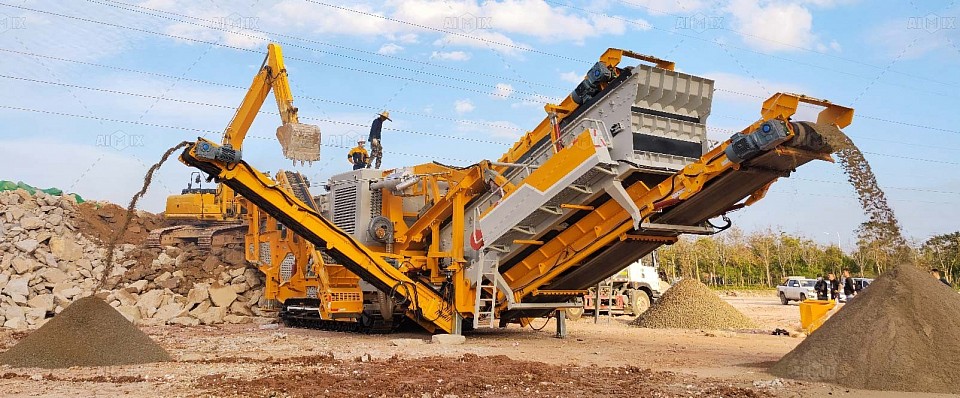
What Kind of Stone Crushing Plant Configuration Is Reasonable?
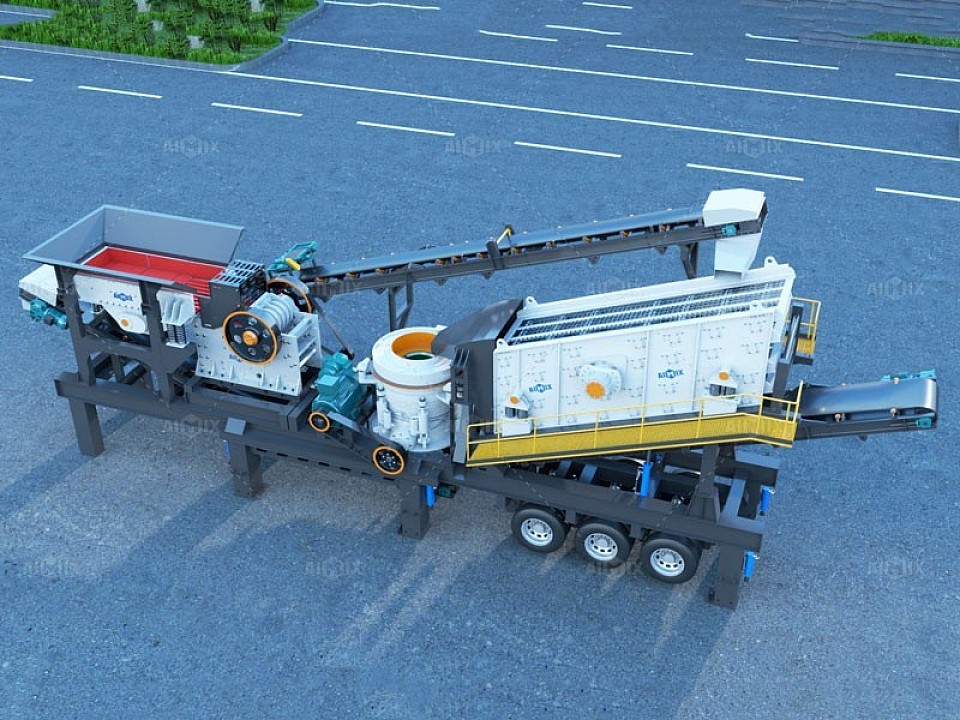
When setting up a stone crushing plant, one of the most important decisions you will make is determining the right configuration. A well-designed stone crusher plant not only increases productivity but also reduces operating costs and ensures the quality of the final product. The configuration of a stone crushing plant depends on various factors, including the type of material to be processed, the production capacity, and the intended use of the final product. In this article, we will explore the key elements that contribute to a reasonable stone crushing plant(planta trituradora de piedra en venta) configuration.
Key Elements of a Stone Crushing Plant Configuration
1. Material Type and Characteristics
The type of stone or material you plan to crush plays a significant role in determining the configuration of your crushing plant. For example, hard stones like granite or basalt require more powerful crushers and heavier-duty equipment compared to softer materials like limestone or sandstone.
Types of Stones:
- Granite: A tough, dense stone that requires primary and secondary crushers such as jaw crushers and cone crushers.
- Limestone: Softer than granite, suitable for impact crushers and hammer mills.
- River Gravel: Often requires crushers with high capacity for consistent and uniform aggregates.
- Basalt: A hard volcanic rock requiring robust crushing equipment like jaw crushers and impact crushers.
Understanding the characteristics of the raw material is essential to choosing the right equipment and ensuring the plant’s efficiency.
2. Production Capacity
The production capacity you need will dictate the size and type of crushers, screens, and conveyors used in the plant. A high-production plant typically requires larger equipment with more power to handle the increased volume of material. For smaller operations, more compact equipment may suffice.
Factors to Consider:
- Capacity of Crushers: Primary crushers, such as jaw crushers, have varying capacities depending on the model. Secondary crushers, like cone crushers, also come in different sizes for higher throughput.
- Screening Equipment: To achieve the required size of aggregates, you will need appropriate vibrating screens that can handle the output of the crushers.
- Conveyor Systems: A longer plant setup may require more advanced conveyor systems to move materials between crushers, screens, and stockpiles.
Choosing the right equipment for the expected capacity ensures the smooth operation of the stone crushing plant, avoiding bottlenecks and inefficiencies.
Common Configurations for Stone Crusher Plants
1. Primary Crushing + Secondary Crushing Configuration
In many stone and aggregate crusher plants(planta chancadora de agregados), the material goes through a two-stage crushing process: primary crushing followed by secondary crushing. This configuration is commonly used for medium-hard stones such as limestone or sandstone.
Primary Crushing:
- Jaw Crushers are typically used in primary crushing. They break down large rocks into smaller, manageable sizes.
- Feeders: Vibrating or apron feeders are used to ensure a steady flow of material into the crusher.
Secondary Crushing:
- Cone Crushers or Impact Crushers are often used in secondary stages. They break down the material further, producing finer aggregates for construction or industrial use.
- Screening: After the second crushing stage, a vibrating screen is used to separate the fine and coarse aggregates.
This type of configuration is highly effective for producing high-quality aggregates and is suitable for medium-sized production capacities.
2. Tertiary Crushing Configuration
For certain applications that require finer material or specific aggregate gradations, a third stage of crushing is needed. The tertiary crushing stage often involves the use of high-efficiency crushers like vertical shaft impact (VSI) crushers or specialized cone crushers.
Tertiary Crushing:
- VSI Crushers: These crushers are ideal for producing finely graded aggregates and manufactured sand. They can achieve a high level of fine material that can be used in concrete production.
- Sand-making Machines: In some plants, sand-making machines are added in the tertiary stage to produce high-quality sand from crushed stone.
This configuration is typically used in plants that produce sand and other fine aggregates for specialized uses, such as in concrete, asphalt, or road construction.
3. Mobile Stone Crushing Plant Configuration
In many cases, mobile stone crusher plants are a more flexible and cost-effective solution for certain projects. Mobile plants are designed to be moved easily from one site to another, making them ideal for operations with multiple locations or projects with limited time frames.
Key Features of Mobile Crushing Plants:
- Compact Design: Mobile crushers are often smaller and more compact, with easy transport options.
- Versatility: Mobile plants can handle different types of stones and crushing stages. Some mobile plants combine primary, secondary, and tertiary crushers in one unit.
- Cost-Effective: For small to medium-sized projects, mobile plants reduce transportation and setup costs.
For those looking for flexibility and efficiency, a mobile stone crusher plant for sale could be the right option, as it offers excellent performance and can be relocated quickly for different applications.
Equipment Selection for Aggregate Crusher Plants
1. Crushers
The choice of crusher is one of the most crucial aspects of plant configuration. Each type of crusher serves a different purpose and is designed to handle specific types of materials.
- Jaw Crushers: Best for primary crushing of large, hard stones.
- Cone Crushers: Suitable for secondary and tertiary crushing of medium- to hard stones.
- Impact Crushers: Ideal for softer materials and producing high-quality aggregates for concrete.
- Hammer Crushers: Excellent for softer, brittle materials like limestone.
2. Screening Equipment
Screening plays an essential role in separating the crushed materials into various sizes. Vibrating screens and rotary screens are common choices. Depending on the final product requirements, you may need multiple screens to segregate different grades of aggregate.
3. Conveyors and Feeders
Conveyor belts and feeders are vital for transporting material between various stages of the crushing process. The right choice of conveyor system ensures smooth operations and minimizes downtime in the plant.
4. Washing Systems
For certain materials like river gravel, a washing system may be needed to remove dirt, dust, and clay. This step ensures that the final product is clean and suitable for use in construction.
Conclusion
A reasonable stone crushing plant configuration depends on several factors, including the type of material being processed, the required production capacity, and the desired final product. A typical configuration involves primary and secondary crushers, but tertiary stages or washing systems may be necessary for specific applications.
Additionally, mobile stone crusher plants offer greater flexibility and can be a cost-effective solution for smaller projects or operations that require mobility. By understanding the various types of crushers and equipment involved, you can optimize your aggregate crusher plant to meet your production needs efficiently, minimizing downtime and maximizing profitability.
Step-by-Step Guide to Installing a Stone Crusher Plant
Installing a stone crusher plant is a complex process that requires meticulous planning and execution. A well-installed plant ensures efficient operations and long-term productivity. Understanding the installation steps and ensuring proper setup is essential for achieving optimal stone crusher plant working conditions. This guide outlines the key steps to help you install your plant effectively.
Preparing for Installation
Assessing the Site
Before installation begins, conduct a detailed assessment of the site. Choose a location that is easily accessible, close to raw material sources, and has ample space for equipment and storage. Ensure the site complies with local zoning and environmental regulations to avoid legal complications.
Procuring the Necessary Equipment
Select the right machinery based on your production requirements. Common equipment includes:
- Jaw crushers for primary crushing
- Cone crushers or impact crushers for secondary crushing
- Vibrating screens for material separation
- Conveyor belts for material transport
Ensure all equipment is compatible and designed to work seamlessly together for optimal plant performance.
Developing a Site Layout Plan
Plan the layout of your stone crusher plant working(como funciona una planta trituradora de piedra) area to optimize material flow and minimize handling time. The layout should include designated zones for crushing, screening, storage, and maintenance.
Site Preparation
Clearing and Leveling the Ground
The installation site must be cleared of all debris, vegetation, and obstacles. Level the ground to create a stable foundation for the plant. Uneven terrain can lead to equipment instability and affect plant efficiency.
Setting Up Drainage Systems
Proper drainage systems are critical to prevent water accumulation around the plant. Poor drainage can damage equipment and disrupt operations. Install channels or pipes to divert water away from the site.
Establishing Access Roads
Construct access roads to facilitate the transport of raw materials and finished products. Ensure the roads can accommodate heavy machinery and vehicles.
Installing the Equipment
Positioning the Crushers
Begin by installing the primary crusher, such as a jaw crusher, at the designated location. Secure it firmly to the foundation to prevent vibrations during operation. Follow the same process for secondary crushers like cone or impact crushers.
Setting Up Vibrating Screens and Feeders
Install vibrating screens to separate materials by size. Position them close to the crushers to streamline the material flow. Feeders should be placed at the beginning of the crushing line to ensure a steady supply of raw materials.
Installing Conveyor Belts
Conveyor belts are essential for transporting materials between different sections of the aggregate plant(planta chancadora de agregados). Ensure the belts are properly aligned and tensioned to prevent slippage and ensure smooth operation.
Connecting Dust Suppression Systems
Dust suppression systems, such as water sprays or dust collectors, are crucial for maintaining a clean working environment. Install these systems near crushers and conveyors to minimize dust emissions.
Electrical and Control System Setup
Wiring the Equipment
Connect all equipment to the power supply, ensuring proper grounding and safety measures. Use durable cables and protective conduits to prevent electrical hazards.
Installing Control Panels
Control panels are essential for monitoring and managing the stone crusher plant working process. Install the panels in a central location with easy access for operators. Ensure the panels are equipped with emergency stop buttons and other safety features.
Testing the Electrical Systems
Before starting operations, test the electrical systems to ensure all connections are secure and functioning correctly. Address any issues to avoid disruptions during production.
Testing and Commissioning
Conducting Trial Runs
Run the plant at low capacity to test each component, including crushers, screens, and conveyors. Monitor the material flow and check for any abnormalities or malfunctions.
Calibrating the Equipment
Adjust the settings of crushers, screens, and feeders to achieve the desired output size and quality. Proper calibration ensures efficient stone crusher plant working and minimizes material waste.
Training the Operators
Provide comprehensive training to operators on how to use and maintain the equipment. Educated operators can identify potential issues early and ensure smooth operations.
Maintenance and Safety Measures
Scheduling Regular Maintenance
Develop a maintenance schedule that includes routine inspections, lubrication, and part replacements. Regular maintenance reduces downtime and extends the lifespan of the equipment.
Implementing Safety Protocols
Ensure all workers follow safety protocols, including wearing protective gear and adhering to operational guidelines. Conduct regular safety drills to prepare for emergencies.
Conclusion
Installing a stone crusher plant requires careful planning, precise execution, and a commitment to safety. By following this step-by-step guide, you can ensure efficient stone crusher plant working and maximize productivity. Proper installation not only improves performance but also reduces maintenance costs and enhances the longevity of your plant.
Cost vs. Value: Investing in a Mobile Stone Crusher Plant
When it comes to purchasing heavy machinery for construction, mining, or aggregate processing, one of the most important decisions business owners face is whether to invest in a mobile stone crusher plant. While the upfront cost can be significant, the value it provides over time could outweigh the initial investment. In this article, we’ll explore the costs and benefits of investing in a mobile stone crusher plant, helping you understand whether this equipment is a wise choice for your business.
Understanding the Costs of a Mobile Stone Crusher Plant
Before deciding whether a mobile stone crusher plant(planta trituradora de piedra móvil) is the right investment, it’s crucial to understand the various costs involved. These include the initial purchase price, operating expenses, and ongoing maintenance costs. Each of these factors plays a role in determining the overall cost of owning and operating a mobile stone crusher plant.
1. Initial Purchase Price
The initial cost of a mobile stone crusher plant can vary widely based on factors such as the brand, size, and capacity of the machine. On average, these machines can cost anywhere between $100,000 to $500,000. Smaller, more compact models tend to be on the lower end of the price range, while larger, high-capacity plants designed for demanding operations can be much more expensive.
However, this initial investment should be viewed as part of a long-term strategy. A mobile stone crusher plant can last for years with proper maintenance, so it's important to consider the potential value it provides over its lifespan rather than just focusing on the upfront cost.
2. Operating and Fuel Costs
Once your mobile stone crusher plant is up and running, operating costs will play a key role in your total expenditure. These costs include fuel, labor, and any other overheads associated with running the machine on a daily basis. Mobile crushers typically require a significant amount of fuel to operate, especially for larger models, which means fuel costs will need to be factored into your budget.
Additionally, labor costs must be considered. You’ll need skilled operators to run the machine, and depending on the complexity of the plant, additional staff may be required for maintenance and general operations.
3. Maintenance and Repairs
Like any piece of heavy machinery, mobile stone crushers require regular maintenance to stay in optimal condition. This can include changing out wear parts like crusher jaws, screens, and conveyors, as well as performing more extensive repairs over time. Maintenance costs will depend on the level of usage, the machine’s age, and the complexity of the system.
It's important to factor these ongoing costs into your overall budget to ensure you can keep the plant running smoothly for years.
Evaluating the Value of a Mobile Stone Crusher Plant
While the costs involved in purchasing and operating a mobile stone crusher plant of AIMIX Group Co., Ltd can be significant, it’s important to also consider the value it can bring to your business. Here are some of the key advantages of mobile crushers:
1. Enhanced Mobility and Flexibility
One of the most notable advantages of a mobile stone crusher plant is its mobility. Unlike stationary crushers, mobile crushers can be moved from one job site to another with ease. This is especially beneficial for businesses working on multiple projects in different locations. Mobile crushers allow you to process materials on-site, eliminating the need for expensive transportation costs.
This mobility also makes it easier to access remote or difficult-to-reach locations where traditional crushers might not be feasible.
2. Reduced Transportation Costs
Another important value factor is the reduction in transportation costs. When working with a stationary plant, materials must be transported to the crusher, which can incur high transportation fees. With a mobile stone crusher plant, materials can be crushed directly at the job site, saving both time and money on logistics.
Additionally, having a mobile crusher on-site means less downtime between crushing operations, which leads to higher productivity.
3. Increased Efficiency and Output
Mobile stone crushers are designed to be efficient and capable of processing a wide range of materials quickly. By eliminating the need to transport materials off-site, these plants can increase productivity and streamline operations. This efficiency helps businesses maximize output while minimizing downtime, which can significantly improve profit margins.
4. Long-Term Return on Investment (ROI)
Though the initial investment in a mobile stone crusher plant can be high, the long-term return on investment (ROI) can be substantial. By increasing productivity, reducing transportation costs, and eliminating the need for external suppliers, a mobile crusher can help businesses improve profitability over time.
Moreover, the versatility of a mobile stone crusher means it can be used for a variety of projects, from road construction to mining, further expanding its value across multiple industries.
Conclusion: Weighing Cost Against Value
When evaluating the decision to invest in a mobile stone crusher plant, it’s important to consider both the costs and the long-term value. While the upfront cost and ongoing operating expenses can be significant, the benefits of increased mobility, reduced transportation costs, improved efficiency, and long-term ROI can make this investment worthwhile for many businesses.
Ultimately, the decision will depend on the specific needs of your business, the scale of your operations, and your budget. However, for companies looking to improve their efficiency and expand their capabilities, a mobile stone crusher plant can be an invaluable asset. By weighing the costs against the potential benefits, you can make a well-informed decision that aligns with your business goals.
Comparing Different Types of Stone Crushing Plants
Investing in a stone crushing plant requires careful consideration of the various types available in the market. Stone crushers are essential in many industries, especially in construction and mining, where they break down larger stones into manageable sizes. This guide will provide a comprehensive comparison of the different stone crushing plants, examining cost, capacity, efficiency, and vendor reliability to help you make an informed decision.
1. Evaluating Plant Costs
When comparing stone crushing plants(planta trituradora de piedra en venta), the cost is one of the most important factors to consider. Here’s what to keep in mind:
a. Initial Investment Costs
- Automatic Plants: These typically cost more upfront because they require advanced technology and minimal manual input, making them highly efficient.
- Semi-Automatic Plants: These come at a lower initial cost, as they may require more manual intervention. However, the savings on upfront costs may come with increased labor expenses over time.
b. Long-Term Cost Efficiency
- A plant’s price is not just about the purchase cost; it includes operational and maintenance expenses. Energy-efficient models, for example, can lead to significant savings in the long run. Look for options that offer a balance between initial investment and operational costs.
2. Examining Plant Capabilities
The capabilities of stone crushing plants vary based on their design, which can affect their suitability for specific tasks within the mining and construction industries. Here’s a breakdown of important capabilities to consider:
a. Size of Processed Stone
- Different crushers handle various stone sizes. For instance, jaw crushers are generally used for larger rocks, while cone crushers are ideal for finer materials.
- Assess your specific needs to determine which type of crusher(planta trituradora de piedra movil) will best fit your project requirements, whether you need it for breaking down large stone pieces or creating smaller, uniform aggregate sizes.
b. Processing Capacity
- Each plant has a specific throughput, or the amount of material it can process per hour. High-capacity plants are better suited for large mining operations, while smaller plants are ideal for construction companies needing limited aggregate production.
- Make sure to select a plant with adequate capacity to avoid bottlenecks and meet project timelines efficiently.
c. Adjustable Crushing Mechanisms
- Some plants allow operators to adjust the crushing mechanisms to create aggregates in different sizes. This feature can be valuable if you need versatility for multiple applications or projects.
3. Considering Energy Efficiency and Long-Term Operating Costs
The cost of operating a stone crushing plant, especially in terms of energy consumption, can impact your bottom line significantly. Let’s look at the long-term factors:
a. Energy Efficiency
- Plants with efficient crushing technology and energy-saving features can reduce electricity costs. Machines with automated systems often perform more consistently and use power only when necessary.
- Opting for an energy-efficient plant can lead to major savings, especially for large-scale operations where utility costs form a substantial portion of operating expenses.
b. Environmental Impact
- Some stone crushing plants are designed to operate with lower emissions and reduced noise pollution. This not only aligns with environmental regulations but also improves worksite safety, especially in mining areas where environmental considerations are important.
- Check if the plant meets the industry’s environmental standards and if it has features to mitigate dust and noise.
4. Selecting a Reliable Vendor
Choosing the right vendor is crucial to securing a quality plant that meets your operational needs. Here are some tips on vendor selection:
a. Vendor Reputation and Experience
- Established vendors with a history in the mining and construction machinery industries are generally more reliable, as they are experienced in manufacturing durable equipment.
- Look for vendors who provide detailed specifications, testing certifications, and quality assurances for their plants.
b. Range of Options
- A good vendor offers a wide range of stone crushing plant models, allowing you to select equipment tailored to your exact needs. Additionally, they should offer options in terms of automation, capacity, and flexibility.
c. After-Sales Support and Maintenance
- Reliable after-sales support is essential, especially for large machinery like stone crushers that may require regular maintenance and part replacements.
- Vendors with robust after-sales service help ensure minimal downtime, which is particularly important in mining, where time is directly tied to production output and revenue.
d. Cost-Effectiveness
- Vendors based in countries with competitive manufacturing costs, such as China, often provide quality machines at lower prices. However, ensure these savings do not come at the expense of quality or service.
5. Making the Final Decision
Once you have considered all the factors above, it’s time to weigh your options. To summarize, here’s a checklist to guide your decision:
- Budget: Does the plant fit within your budget without compromising on essential features?
- Capacity and Efficiency: Does it offer the throughput needed for your projects while maintaining energy efficiency?
- Flexibility: Does the plant offer adjustable settings to handle various types and sizes of stone?
- Vendor Reliability: Does the vendor have a good reputation, and do they offer comprehensive support?
- Environmental Compliance: Does the plant meet environmental regulations, especially for mining operations?
Conclusion
With a wide variety of stone crushing plants on the market, it’s essential to consider both the operational needs of your business and the long-term costs associated with these machines. Whether you are in mining or construction, investing in the right stone crushing plant can optimize production efficiency, control operational costs, and improve overall productivity. By carefully comparing costs, plant capabilities, energy efficiency, and vendor options, you’ll be well-equipped to make a sound investment that meets your requirements for years to come.
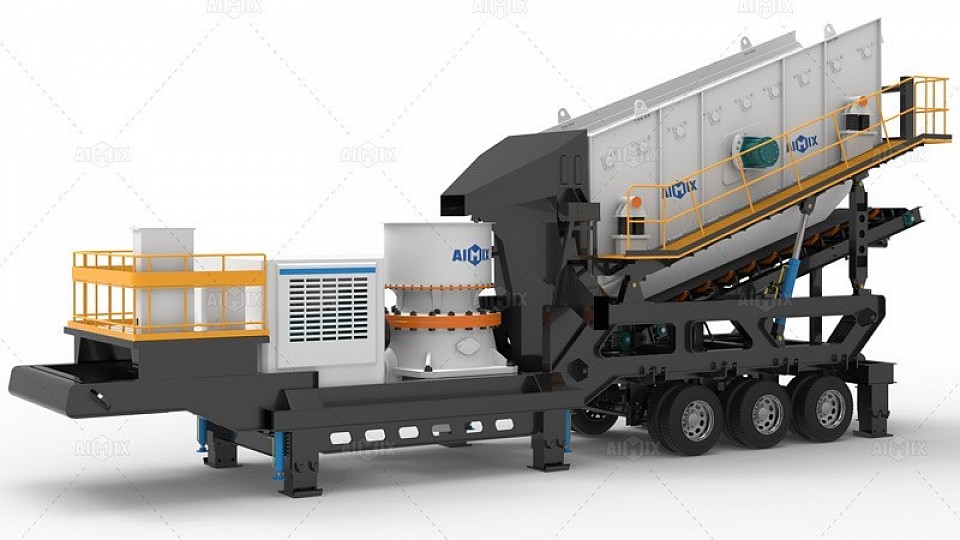
Various Types and Key Advantages of Mobile Stone Crushers
In the dynamic world of the aggregate industry, mobile stone crushers have become indispensable tools for businesses looking to maximize efficiency and productivity. These machines are particularly valuable for companies with access to multiple rock quarries, allowing them to produce aggregate on-site. This article delves into the different types of mobile stone crushers and highlights their advantages for businesses in the construction and aggregate sectors.
Why Use Stone Crushers?
Stone crushers are designed to break down large rock formations into smaller, more manageable pieces. Utilizing a combination of moving plates, compression, and rotational force, these machines efficiently reduce the size of minerals, making them suitable for various applications. Here are some of the key benefits of using stone crushers:
- Cost-Effective Production: Mobile stone crushers can significantly lower transportation costs by allowing operators to process materials at the site of extraction.
- Versatility: They can produce a wide range of materials, from large aggregate to fine powders, meeting diverse project requirements.
- Accessibility: These machines can easily be transported to different job sites, enabling companies to utilize them wherever minerals are located. Just click this link to get more information of mobile stone crusher: https://aimixtrituradora.com/planta-trituradora-movil-de-piedra/
Types of Mobile Stone Crushers
When considering investing in mobile stone crushers, it’s essential to understand the various types available, each designed for specific crushing tasks:
1. Primary Mobile Crushers
Jaw Crushers
Jaw crushers are the first line of defense in the crushing process, primarily used for handling large pieces of rock. These machines employ a powerful compressive force to break down the material, making them ideal for initial crushing stages in aggregate production.
Advantages:
- Highly effective for large-scale operations.
- Simple and robust design ensures reliability.
2. Secondary Mobile Crushers
Cone Crushers
After the primary crushing, cone crushers take over to further reduce the size of the material. They use a combination of compression and shear force to break down the rocks, producing uniform aggregates.
Advantages:
- Highly efficient in producing finer materials.
- Adaptable to various types of materials, including hard and abrasive rocks.
3. Tertiary Mobile Crushers
Vertical Shaft Impactors (VSIs)
Tertiary crushers, such as VSIs, are designed to create the finest aggregates possible. These crushers employ a rotating vertical shaft to fling materials against an anvil, breaking them down into very fine particles.
Advantages:
- Capable of producing high-quality sand and gravel.
- Excellent for shaping and refining materials for specialized applications.
How to Find the Right Stone Crusher
Finding the right mobile stone crusher involves thorough research and consideration of several factors. Here’s a step-by-step approach:
1. Identify Your Needs
Begin by assessing your production requirements. Consider the types of materials you’ll be working with, the desired output, and the frequency of use. Knowing your specific needs will guide you in selecting the most suitable type of stone crusher(planta trituradora de agregados).
2. Research Manufacturers
Look for manufacturers that offer a range of mobile stone crushers, including primary, secondary, and tertiary models. Online resources can quickly lead you to reputable companies that specialize in this equipment.
3. Evaluate Specifications and Prices
Once you’ve identified potential suppliers, request detailed specifications and pricing information for their mobile units. This will allow you to compare features, performance capabilities, and costs. Pay attention to:
- Portability: Ensure the units can easily attach to your transportation vehicle.
- Durability: Check for build quality and warranty options.
- Service Support: Consider the availability of after-sales service and spare parts.
4. Make an Informed Decision
With all the necessary information at hand, evaluate your options carefully before making a purchase. Consider reaching out to industry experts or consultants if you require additional guidance.
Conclusion: The Advantages of Mobile Stone Crushers in the Aggregate Industry
Mobile stone crushers offer numerous advantages for businesses in the construction and aggregate sectors. Their cost-effective nature, versatility, and accessibility make them an excellent investment for companies looking to optimize their operations. By understanding the various types available and assessing your specific needs, you can choose the best mobile stone crusher to enhance your production capabilities.
As the aggregate industry continues to evolve, staying equipped with the right tools will be crucial for success. With the proper mobile stone crusher, you can ensure your business remains competitive, efficient, and responsive to market demands.
The Necessity of Mobile Stone Crusher Plant for the Mining Industry
In today's fast-paced mining environment, efficiency and adaptability are crucial for success. Mobile stone crusher plants offer an innovative solution for mining operators looking to enhance their operations. This article delves into the significance of owning a mobile stone crusher plant, particularly for those in the mining industry.
Understanding the Role of Mobile Stone Crusher Plants
What Is a Mobile Stone Crusher Plant?
A mobile stone crusher plant(planta trituradora móvil de piedra) is a portable unit designed to crush rocks and minerals into smaller sizes. These plants can be easily transported to different mining sites, making them highly versatile. They can process a variety of materials, including limestone, granite, and other types of stone. With the ability to adapt to different mining environments, these plants are a valuable asset for any mining operation.
Importance in the Mining Industry
In the mining industry, breaking down larger rock formations into manageable pieces is essential. This process allows for the extraction of valuable minerals that may be trapped within sedimentary or metamorphic rocks. Without the ability to effectively crush these larger rocks, mining companies may struggle to maximize their output and profitability.
Advantages of Mobile Stone Crusher Plants
Flexibility and Mobility
One of the primary advantages of mobile stone crusher plants is their mobility. They can be easily transported to various mining locations, allowing operators to take advantage of different mineral deposits without the need for permanent installations. This flexibility is particularly beneficial for companies with multiple mining sites or those exploring new areas.
Ease of Operation
Most mobile stone crushers are designed with user-friendly features of AIMIX Group China(características de AIMIX Group China). Operators typically find it straightforward to set up and operate these machines. A key aspect of their ease of use is the intuitive design, which allows users to quickly load large rocks into the machine. The crushing process is automated, requiring minimal manual intervention.
Customizable for Various Needs
Mobile stone crushers come in various sizes and configurations, enabling operators to choose a model that suits their specific requirements. Whether you need to crush large boulders or smaller aggregates, there are options available to accommodate different types of materials. By selecting the right model, mining companies can ensure optimal efficiency in their operations.
Integrating Mobile Stone Crushers into Mining Operations
Enhancing Aggregate Production
For those in the aggregate industry, mobile stone crushers can significantly enhance production capabilities. By utilizing these machines, companies can produce high-quality aggregate materials on-site, reducing the need for transportation from distant quarries. This not only lowers costs but also shortens project timelines.
Cost-Effective Solutions
Investing in a mobile stone crusher plant can lead to significant cost savings in the long run. By processing materials on-site, mining companies can minimize transportation expenses and reduce the wear and tear on their vehicles. Additionally, these plants can often operate with lower energy consumption compared to larger, stationary units, further contributing to overall cost efficiency.
Finding the Right Mobile Stone Crusher Plant
Researching Suppliers
Finding reliable suppliers of mobile stone crusher plants is essential for making a sound investment. Conducting thorough research online can help identify multiple manufacturers and their offerings. Compare specifications, prices, and customer reviews to ensure you choose a reputable supplier.
Requesting Quotes
Once you have a shortlist of potential suppliers, reach out to them for quotes. Many companies offer competitive pricing and may provide discounts for bulk purchases. This process will help you determine which provider offers the best value for your investment.
Evaluating After-Sales Support
When selecting a mobile stone crusher plant, consider the manufacturer's after-sales support. A strong support system can make a significant difference in maintaining and operating the equipment efficiently. Look for companies that provide warranties, parts availability, and customer service to address any concerns that may arise.
Conclusion
In summary, investing in a mobile stone crusher plant is a strategic decision for those in the mining and aggregate industries. These versatile machines not only enhance operational efficiency but also provide flexibility and cost-effectiveness. By integrating mobile stone crushers into your mining operations, you can improve your production capabilities and position your business for growth in a competitive market. Whether you're working in a quarry or exploring new mining sites, a mobile stone crusher plant is an essential asset for your business.
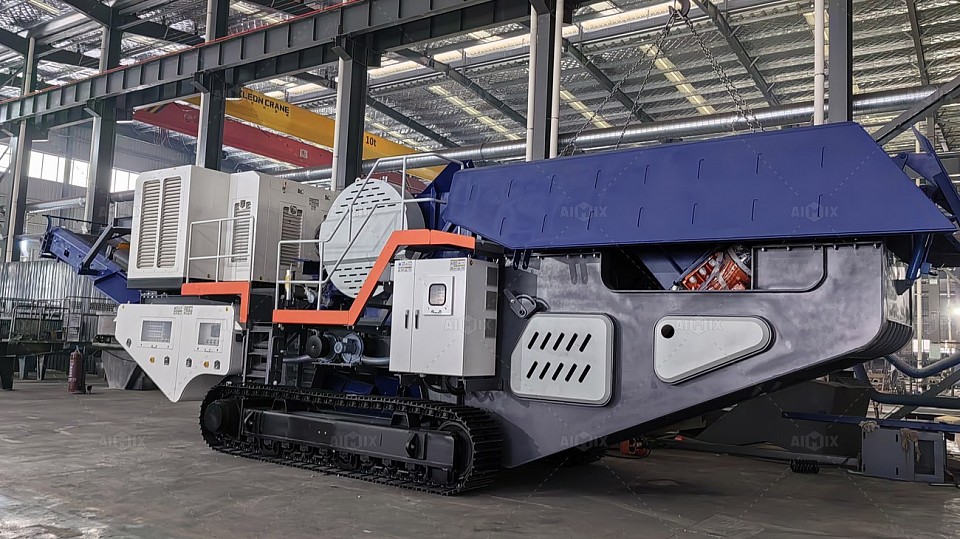
Cómo una Planta Trituradora Móvil de Piedra Puede Reducir el Impacto Ambiental
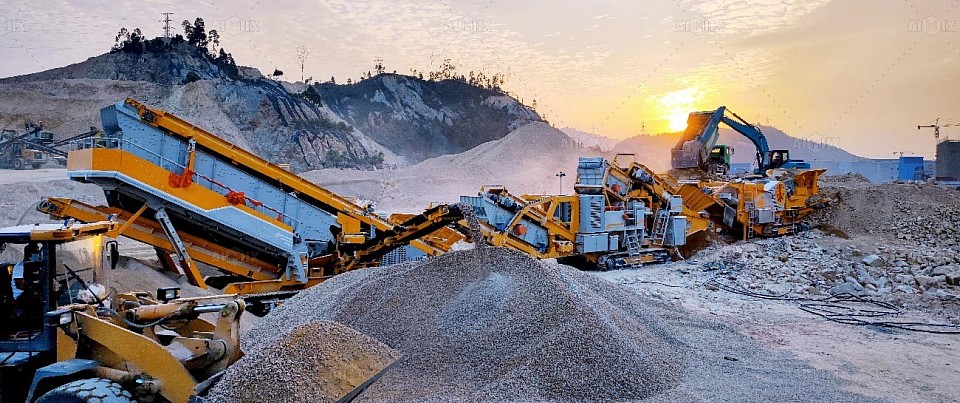
En la actualidad, la sostenibilidad y la protección del medio ambiente se han convertido en aspectos fundamentales en la industria de la construcción. A medida que las empresas buscan adoptar prácticas más responsables, la implementación de tecnologías y equipos que minimicen el impacto ambiental se ha vuelto esencial. Una de las soluciones más efectivas en este sentido es la planta trituradora de piedra móvil, que no solo mejora la eficiencia en la producción de agregados, sino que también contribuye a reducir el impacto ambiental. En este artículo, exploraremos cómo estas plantas móviles pueden ayudar a las empresas a ser más sostenibles en sus operaciones.
Eficiencia en la Producción de Materiales
Reducción de Desplazamientos
Una de las principales ventajas de una planta trituradora de piedra móvil de AIMIX Group es su capacidad para operar directamente en el lugar de trabajo. Esto significa que las empresas pueden procesar materiales in situ, lo que reduce la necesidad de transportar grandes volúmenes de piedra y otros agregados desde canteras distantes. Menos desplazamientos no solo ahorran tiempo y costos operativos, sino que también disminuyen la emisión de gases contaminantes asociados al transporte de materiales.
Producción de Materiales Personalizados
Las plantas móviles permiten a las empresas producir agregados específicos según las necesidades del proyecto. Esta capacidad de personalización significa que se pueden utilizar materiales reciclados y reutilizados en lugar de extraer nuevos recursos. Por ejemplo, los escombros generados en proyectos de demolición pueden ser procesados y transformados en materiales útiles para nuevas construcciones, contribuyendo así a una economía circular y reduciendo la demanda de recursos vírgenes.
Optimización de Recursos
Menor Generación de Desechos
Al procesar materiales en el sitio de trabajo, las plantas trituradoras móviles pueden reducir significativamente la cantidad de desechos generados durante un proyecto de construcción. Cuando se utiliza una planta fija, es común que los residuos sean mayores debido a la necesidad de transportar materiales de un lugar a otro. Con la planta móvil, el material sobrante se puede triturar y reutilizar, lo que minimiza el desperdicio y optimiza el uso de recursos.
Consumo Energético Eficiente
Las plantas trituradoras móviles están diseñadas para ser más eficientes en términos de energía. Muchas de estas máquinas utilizan tecnología avanzada que les permite funcionar con un menor consumo de energía, lo que no solo reduce los costos operativos, sino que también disminuye la huella de carbono del proyecto. Además, algunas plantas móviles están equipadas con motores eléctricos, lo que contribuye aún más a la sostenibilidad al reducir la dependencia de combustibles fósiles.
Impacto Ambiental Minimizado
Reducción de la Huella de Carbono
El transporte de materiales de construcción es uno de los principales contribuyentes a las emisiones de carbono en la industria. Al utilizar una planta trituradora de piedra móvil, las empresas pueden disminuir su huella de carbono significativamente al eliminar o reducir el transporte de materiales. Este enfoque no solo es beneficioso para el medio ambiente, sino que también puede ser un factor diferenciador en un mercado donde los consumidores valoran cada vez más la sostenibilidad.
Conservación de Hábitats Naturales
La explotación de canteras y otros recursos minerales a menudo resulta en la destrucción de hábitats naturales. Al optar por la trituración in situ y el uso de materiales reciclados, las plantas móviles ayudan a conservar los ecosistemas locales y a minimizar la intervención humana en áreas sensibles. Esto es especialmente importante en proyectos que se desarrollan cerca de zonas protegidas o que albergan especies en peligro de extinción.
Conclusión
La implementación de una planta trituradora de piedra móvil no solo mejora la eficiencia y la rentabilidad de los proyectos de construcción, sino que también juega un papel crucial en la reducción del impacto ambiental. Desde la optimización de recursos y la disminución de desechos hasta la conservación de hábitats y la reducción de la huella de carbono, estas plantas móviles ofrecen una solución sostenible que beneficia tanto a las empresas como al medio ambiente. En un mundo donde la sostenibilidad es más importante que nunca, invertir en tecnologías que promuevan prácticas responsables se ha convertido en una necesidad para las empresas del sector de la construcción.